


Get a Quote

+86-18862679789


admin@evertopest.com

Content
As the global manufacturing sector shifts toward materials that offer both high durability and low environmental impact, the PVC Foam Composite Panel Production Line has emerged as a cornerstone technology. This comprehensive equipment set is engineered to produce multi-layered panels that integrate the versatility of polyvinyl chloride with advanced foaming agents. The result is a material that challenges the dominance of traditional plywood and MDF in the modern market.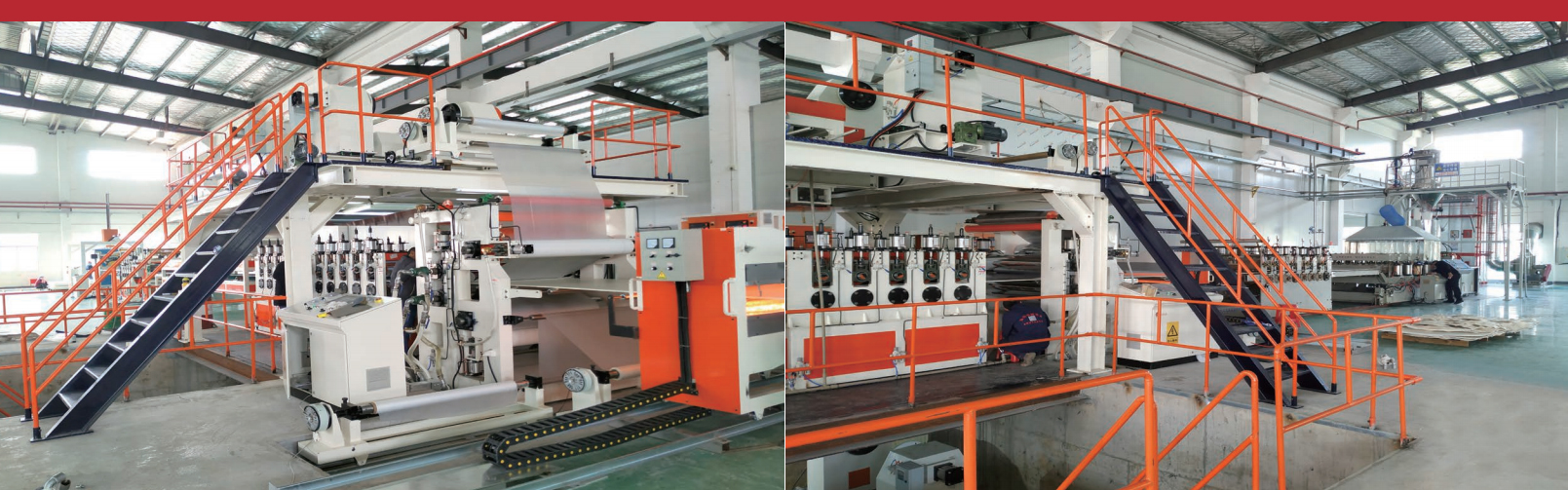
Industrial designers and project managers frequently inquire about the feasibility of replacing heavier materials with PVC composites. The core appeal lies in the unique cellular structure of the foam, which provides significant weight reduction without compromising structural stiffness. By utilizing a high-performance production line, manufacturers can achieve a level of consistency in density and surface finish that manual or semi-automated processes simply cannot replicate.
The production line is an intricate assembly of extrusion, lamination, and cooling stages. Each stage is calibrated to ensure that the PVC foam core maintains a closed-cell structure, which is the primary reason for the panel’s exceptional waterproofing and moisture resistance. Unlike organic materials, these panels do not swell, rot, or harbor mold when exposed to humid environments.
| Technical Feature | PVC Foam Composite | Traditional Plywood/MDF |
|---|---|---|
| Water Absorption Rate | < 0.5% (Waterproof) | 15% - 25% (Absorbent) |
| Thermal Conductivity | 0.06 - 0.08 W/m·K | 0.12 - 0.15 W/m·K |
| Fire Resistance | Self-extinguishing (Class B1) | Highly Combustible |
| Soundproofing Capability | High (Acoustic Foam Core) | Low to Moderate |
By leveraging precision extrusion technology, our production line allows for the adjustment of foam density, typically ranging from 0.4 to 0.8 g/cm³. This enables the creation of lightweight panels for advertising displays as well as high-density, structural-grade boards for heavy furniture and transport flooring.
One of the core components of the production line is the online lamination unit. This system applies decorative films or protective coatings directly to the foam board while it is still at an optimal temperature. This eliminates the need for secondary adhesive application, significantly reducing VOC emissions and streamlining the factory workflow.
The foaming process is highly sensitive to thermal fluctuations. Our production line is equipped with an advanced PLC control system that maintains temperature stability within ±1°C. This precision ensures that the cell structure is uniform throughout the entire width of the panel, preventing weak spots that could lead to structural failure in furniture or transportation applications.
The ROI (Return on Investment) for a PVC Foam Composite Panel Production Line is driven by the sheer variety of markets it can serve. From temporary exhibition stands to permanent interior walls in marine vessels, the application list is extensive. Because PVC is a recyclable polymer, manufacturers can also reprocess edge trimmings and scrap back into the production cycle, reducing raw material costs by up to 10-15%.
For companies looking to scale their production, the benefits include:
The PVC Foam Composite Panel Production Line represents more than just industrial hardware; it is a vital tool for the next generation of efficient manufacturing. By combining soundproofing, thermal insulation, and waterproof properties into a single, lightweight panel, this technology meets the complex needs of modern architecture and transportation.
As environmental regulations become more stringent regarding wood harvesting and formaldehyde emissions, the shift toward PVC foam composites is accelerating. Investing in a fully automated production system ensures that your facility can meet this growing demand with high-speed output and superior product quality. The ability to produce versatile, high-strength, and moisture-resistant panels at scale is a definitive competitive advantage in today's global market.

Tanshang Village Industrial Clusters, Ganghua Road,Jingang Town, Zhangjiagang City, Jiangsu Prvince, China

+86-18862679789
+86-15555592012
+86-13140831504

+86-0512-56720211

admin@evertopest.com
admin@acp-line.com
Copyright © Zhangjiagang Hongyang Machinery Equipment Co., Ltd. All Rights Reserved. Custom Composite Panel Production Line Manufacturers


 English
 Español
 русский
 عربى
عربى